 Reviews

 Proudly American
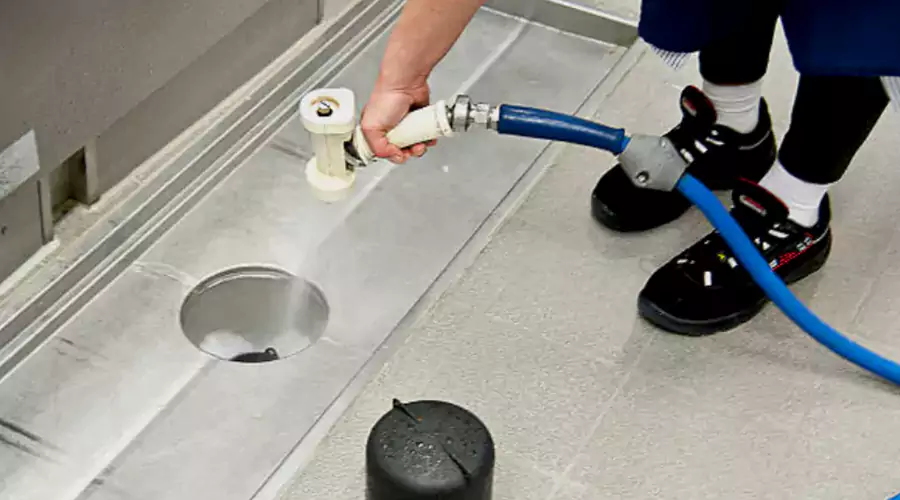
A slow or fully clogged drain can turn a normal day into a mess fast. The good news is most clogs can be cleared with simple tools and a smart, step by step approach. This guide covers how to unclog any drain in your home, including sinks, showers, tubs, and toilets, using safe methods first and stronger options only when needed.
Before You Start: Safety and Quick Checks
Safety basics
- Wear rubber gloves and consider eye protection.
- If you have used a chemical drain cleaner already, do not mix other products. Rinse carefully and be cautious when opening the drain.
- Keep towels and a small bucket nearby.
Quick checks that solve many “clogs”
- Look for the obvious: hair, food, soap scum, or gunk near the drain opening.
- Test other drains:
- If only one fixture is clogged, it is usually a local blockage.
- If multiple drains are slow, it could be a main line issue and may need a plumber.
The Universal Drain Unclogging Method (Start Here)
This simple sequence works for most drains without needing harsh chemicals.
Step 1: Remove surface debris
Pull out hair and buildup around the stopper or drain cover. A plastic drain hair tool works well, but even a bent wire hanger can help.
Step 2: Use hot water (when appropriate)
For kitchen sinks and greasy clogs, hot water can help dissolve buildup.
- Boil water, let it cool slightly, then pour slowly in stages.
- Do not use boiling water on PVC pipes if you are worried about heat, and avoid it for toilets.
Step 3: Plunge correctly
Plunging is effective when done the right way.
How to plunge a sink, tub, or shower
- Use a cup plunger.
- Seal the overflow opening in tubs with a wet rag.
- Add enough water to cover the plunger cup.
- Plunge with strong, steady strokes for 20 to 30 seconds.
How to plunge a toilet
- Use a flange plunger designed for toilets.
- Make a tight seal in the bowl.
- Plunge firmly 10 to 20 times, then wait to see if the water drops.
If plunging improves flow but does not fully clear the clog, move to the next step.
Natural Cleaner Option for Sink and Shower Drains
This method can loosen mild clogs and deodorize drains, making it a helpful step before more involved drain repair.
Baking soda and vinegar method
- Pour 1/2 cup baking soda into the drain.
- Add 1 cup white vinegar.
- Cover the drain for 10 to 15 minutes.
- Flush with hot water.
This works best for light buildup, not dense hair clogs or solid blockages.
How to Unclog a Bathroom Sink Drain?
Bathroom sinks usually clog from hair, toothpaste residue, soap, and skin oils.
Best approach
- Remove the stopper if possible and clean it.
- Plunge the sink with the overflow hole sealed.
- If still clogged, use a small drain snake (also called a hand auger).
How to use a drain snake?
- Feed the snake slowly into the drain.
- Rotate the handle as you push forward.
- When you feel resistance, keep rotating to grab or break up the clog.
- Pull the snake out and wipe off debris.
- Flush with warm water.
How to Unclog a Shower or Tub Drain?
Shower and tub clogs are usually hair plus soap scum, and they often sit just a few inches below the drain.
Best approach
- Remove the drain cover.
- Use a hair removal tool first.
- Follow with a drain snake if needed.
- Finish by flushing with hot water.
Tip: If the clog returns quickly, you may have buildup along the pipe walls. A monthly enzyme cleaner can help reduce repeat clogs.
How to Unclog a Kitchen Sink Drain?
Kitchen drains often clog from grease, food particles, coffee grounds, and starchy buildup.
Best approach
- Scoop out standing water if needed.
- Try hot water in stages.
- Plunge the sink. If it is a double sink, seal the other side tightly.
- Check the garbage disposal if you have one:
- Turn power off.
- Look for a jam and clear visible debris.
- Press the reset button on the bottom if it tripped.
If the sink still drains slowly
The clog might be in the P-trap, the curved pipe under the sink.
Cleaning the P-trap
- Place a bucket under the trap.
- Unscrew the slip nuts by hand or with pliers.
- Remove the trap and clean it out.
- Reinstall and run water to check for leaks.
How to Unclog a Toilet?
Toilet clogs are often caused by too much paper or a non flushable item.
Best approach
- Use a flange plunger first.
- If plunging fails, use a toilet auger (closet auger).
How to use a toilet auger
- Insert the auger end into the bowl opening.
- Crank gently to push the cable into the trap.
- When you hit resistance, crank and push slowly.
- Pull it back, then flush once the water level looks normal.
Avoid: Dish soap tricks or repeated flushing when the bowl is full. It can overflow and create a bigger cleanup.
When to Use Chemical Cleaners (and Better Alternatives)?
Chemical drain cleaners can damage some pipes, harm fixtures, and create safety risks, especially if the clog does not clear and the chemical stays in the pipe.
Safer alternatives
- Enzyme or bacteria based drain cleaners for ongoing maintenance
- Mechanical removal with a snake for real clogs
- P-trap cleaning for sinks
If you choose a chemical cleaner, follow the label carefully and never combine products.
Signs You Need a Plumber
Call a plumber if you notice:
- Multiple drains clogging at the same time
- Gurgling sounds from nearby drains when you run water
- Sewage odors that do not go away
- Water backing up in a tub when the toilet flushes
- Repeated clogs that return within days
These can indicate a blockage deeper in the line or a venting problem.
FAQs
What is the best tool to unclog most drains?
A plunger and a drain snake solve the majority of household clogs safely.
How can I prevent drain clogs?
- Use a hair catcher in showers and tubs
- Do not pour grease down the kitchen sink
- Run hot water after using the sink
- Clean sink stoppers and strainers weekly
Final Tips
To unclog any drain, start simple and work upward: remove surface debris, try hot water (when appropriate), plunge, then snake. Skip harsh chemicals unless there is no better option. With the right method, most clogs clear quickly and stay gone longer.